






Patient experience data is more than just feedback. It’s a powerful tool that healthcare organizations can leverage to enhance care quality, foster stronger patient relationships, and ensure efficient operations.
In today’s patient-centered healthcare environment, understanding and analyzing this data is essential to driving improvements across the board. But what exactly is this data and why is it so vital?
In this article, we’ll break down the importance of data and how the right tools can help healthcare teams collect and analyze this critical information to transform patient care.
What is patient experience data?
Patient experience data includes any information collected directly from patients about their healthcare experiences.
This can range from satisfaction surveys to more nuanced feedback about interactions with medical staff, treatment effectiveness, and the overall atmosphere of the healthcare environment. It’s data that gives healthcare teams a window into the patient’s perspective and can be used to make tangible improvements in care quality.
But it’s not just about collecting the data; it’s about data analysis. By diving into this information, healthcare organizations can identify trends, uncover gaps in care, and highlight opportunities for enhancement.
Where does patient experience data come from?
Patient experience data comes from a variety of sources.
These can include:
- Post-appointment surveys: Patients provide feedback about their visits, from waiting room times to interactions with nursing staff and physicians.
- Real-time surveys: Patient experience software allows for immediate patient input, capturing feedback while the experience is still fresh in their minds.
- Patient interviews: More in-depth qualitative data can be gathered through interviews, shedding light on the emotional and personal aspects of care.
- Social media and online reviews: Patients are increasingly sharing their healthcare experiences online, which can provide unfiltered insights into the strengths and weaknesses of an organization’s service delivery.
The key to optimizing these data sources is to share the data you’ve collected with nurses and nursing staff on a monthly basis, ensuring they have a clear understanding of how their work impacts patient outcomes.
5 benefits of collecting and analyzing patient experience data
By collecting and analyzing patient experience data, healthcare organizations can unlock a host of benefits.
1. Improved care quality
Analyzing patient feedback helps teams identify patterns in care delivery that might otherwise go unnoticed.
Whether it’s long wait times or unclear communication, addressing these issues improves overall care quality.
2. Enhanced patient satisfaction
When patients feel heard, their satisfaction naturally increases.
By regularly sharing the data with staff, healthcare teams can make adjustments in real-time, leading to happier, more satisfied patients.
3. Better patient engagement
Engaged patients are more likely to follow medical advice and return for follow-up care.
Patient experience data analysis provides insights into what keeps patients engaged, helping organizations fine-tune their approach.
4. Operational efficiency
Patient experience data can highlight inefficiencies in a healthcare facility’s operations.
Are patients waiting too long to be seen? Are there common complaints about the check-in process?
By analyzing the data, teams can streamline operations and improve the patient journey.
5. Informed decision-making
Healthcare leaders can’t make effective decisions in the dark.
Patient experience data provides the information needed to guide changes, ensuring that decisions are patient-centered and based on real-world evidence.
How to effectively collect patient experience data
Collecting patient experience data is an ongoing process that should be strategic and structured. Here’s how to ensure your efforts are successful.
1. Utilize digital platforms
Real-time feedback platforms allow you to gather feedback at key moments in the patient journey.
This helps capture immediate impressions and ensures data is relevant and actionable.
2. Survey at key touchpoints
Surveys should be administered at critical moments, such as immediately following an appointment or hospital discharge.
This ensures feedback is fresh and patients are more likely to engage.
3. Keep surveys short and focused
Long, cumbersome surveys can deter patients from responding.
Stick to a few key questions that will provide actionable insights and be mindful of patient time.
4. Share data regularly
The data you collect should be shared on at least a monthly basis with nurses, providers, and staff.
This keeps the entire team informed and involved in the patient experience improvement process.
When to collect patient experience data
Timing is everything when it comes to collecting patient experience data. The goal is to capture feedback when it’s most relevant, so healthcare teams can make timely improvements.
For example:
- After key appointments: Gathering data right after a patient’s interaction with your healthcare staff can provide immediate insights.
- Following major treatments or surgeries: Asking for feedback at these points allows patients to reflect on the entire experience and provide detailed input.
- On a regular basis: Continuous data collection, through monthly surveys or touchpoints, helps track improvements and areas that need ongoing attention.
What is the role of data in patient engagement?
Patient experience data doesn’t just inform healthcare teams; it empowers patients. By engaging with feedback, patients feel heard, validated, and part of their care process.
Analyzing this data helps healthcare organizations understand how to enhance patient communication, improve care plans, and build trust with their communities.
When patients know their feedback leads to real changes, they are more likely to stay engaged with their healthcare providers and take an active role in their health journey.
It’s also important to distinguish between patient experience vs. patient satisfaction, as both play crucial roles in understanding patient feedback. While satisfaction measures a patient’s contentment, experience data dives deeper into specific moments of care that can be improved.
FAQs
Who should collect and submit patient experience data?
Every healthcare organization should collect and submit patient data.
This data is essential for understanding the patient voice, improving patient loyalty, staying competitive in a rapidly evolving industry, and identifying ways to enhance operations.
By regularly collecting and analyzing patient data, healthcare organizations can not only boost revenue but also ensure a higher quality of care that meets patient expectations.
Where should patient experience data be submitted?
Data should be submitted through a centralized platform, where it can be easily accessed, shared, and analyzed by key stakeholders within the organization.
What’s the best patient experience data tool?
The best tool is one that allows for real-time feedback collection, deep data analysis, and seamless sharing of insights.
How can external stakeholders submit patient experience data to the FDA?
External stakeholders can submit data to the FDA through the agency’s online submission portal.
This is typically done for regulatory purposes, ensuring compliance with patient safety and quality standards.
How is it used for regulatory purposes?
This data is used by regulatory bodies to assess the quality and safety of care provided.
This data can help inform policy changes, safety measures, and improvements in care delivery across healthcare organizations.

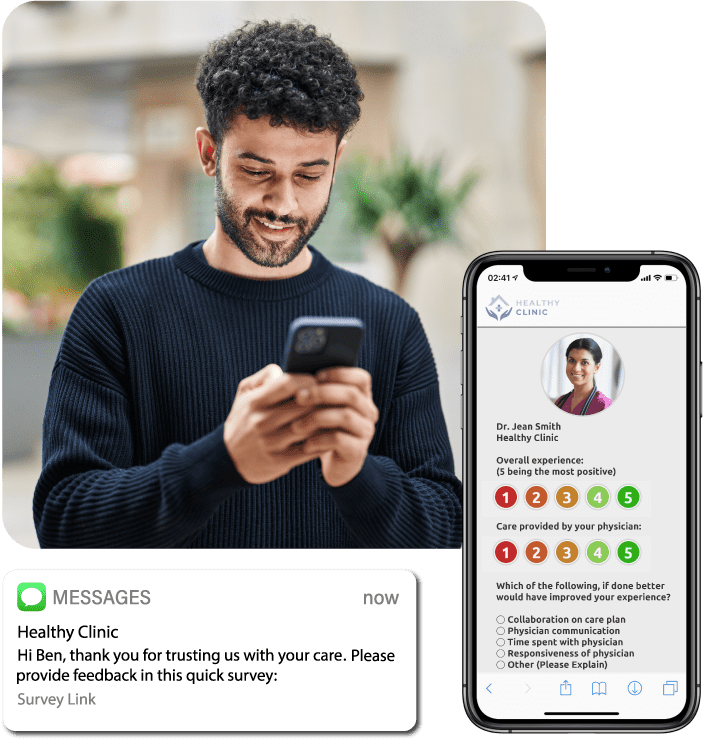
Improve patient experience and drive quality outcomes
Optimize care improvement through real-time data insights, patient feedback, and prescriptive interventions to identify and close gaps in care delivery and patient experience.
Learn more →
