






The connection between disability and poverty is well documented. People with disabilities are more likely to experience poverty due to systemic bias, limited workplace supports, and accessibility barriers that can make it harder to find and keep stable employment.
In fact, research shows that 24% of people with disabilities ages 21 to 64 live in poverty. These disparities highlight the need for employers, service providers, and healthcare professionals to work together on solutions that improve access to stable, meaningful employment.
Why are disabilities and poverty connected?
Poverty is both a cause and a consequence of disability. People who live in poverty are more likely to be exposed to environmental pollutants, unsafe conditions and adverse childhood experiences, and they are less likely to have access to needed healthcare, all of which can result in disability.
Despite federal protections from the Americans with Disabilities Act, people with disabilities — including physical disabilities, intellectual and developmental disabilities, and mental illness — have much higher unemployment rates than the general population. The U.S. Bureau of Labor Statistics reports that in 2024 (the most recent data set), just 23% of individuals with a disability of working age were employed.
Disability, employment, and poverty data from the American Community Survey 2023
The following data was retrieved from disabilitystatistics.org and does not include adults living in institutions.
| Type of disability | Employment rate of working-age adults | Poverty rate of working-age adults |
| Visual disability (blind or serious difficulty seeing even with glasses) | 53% | 25% |
| Hearing disability (deaf or serious difficulty hearing) | 60% | 18% |
| Ambulatory disability (serious difficulty walking or climbing stairs) | 31% | 29% |
| Cognitive disability (serious difficulty concentrating, remembering or making decisions due to physical, mental or emotional condition) | 41% | 28% |
| Self-care disability (difficulty dressing or bathing) | 18% | 32% |
| Independent living disability (difficulty doing errands alone because of physical, mental or emotional condition) | 22% | 30% |
| People living without disabilities | 81% | 9% |
How customized employment can help reduce poverty in the disability community
One critical strategy for addressing the link between disability and poverty is expanding access to customized employment. This approach helps align the needs of employers with the strengths, preferences, and support needs of individuals with disabilities — creating opportunities that are both sustainable and mutually beneficial.
Unlike traditional job placement models, customized employment starts with the individual. It focuses on identifying a person’s unique skills, interests, and ideal working conditions, then tailoring a role that fits those attributes. This individualized process can open pathways to competitive, integrated employment — an important factor in reducing long-term economic instability.
For professionals in the IDD and behavioral health space, customized employment offers a structured, evidence-informed framework for improving employment outcomes. The process typically brings together several key contributors:
- The individual seeking employment
- A support network, which may include family members, advocates, and community connections
- An employment specialist who guides job development and employer engagement
By centering the individual’s goals and leveraging collaborative support, customized employment helps create more consistent and meaningful job matches. These placements are more likely to lead to job retention, increased income, and greater independence — outcomes that directly impact poverty levels among people with disabilities.
Importantly, this model shifts the focus away from trying to “fit” individuals into existing roles and instead encourages employers to recognize and utilize untapped talent. Because it is adaptable across industries and community settings, customized employment can be a scalable solution for addressing persistent employment gaps among people with disabilities.
Frequently asked questions about disabilities and poverty
What is the relationship between disability and poverty?
Disability and poverty are closely connected. People with disabilities are more likely to experience poverty due to barriers to employment, lower wages, and limited access to education and healthcare. At the same time, living in poverty can increase the risk of developing a disability due to factors like poor nutrition, unsafe living conditions, and limited access to medical care.
What percentage of people with disabilities live in poverty?
In the United States, people with disabilities experience significantly higher poverty rates than those without disabilities. Among adults ages 21 to 64, recent data shows that about 24% of people with disabilities live in poverty, though the exact figure can vary by source and year.
Why are people with disabilities more likely to experience poverty?
Several factors contribute to higher poverty rates among people with disabilities, including lower employment rates, workplace discrimination, limited access to education and training, and challenges related to transportation and healthcare. Benefit program structures can also unintentionally discourage earning higher incomes.
How does unemployment impact people with disabilities?
Unemployment is a major driver of poverty for people with disabilities. Lower employment rates reduce access to stable income, employer-sponsored benefits, and career growth opportunities, contributing to long-term economic instability.
How does customized employment help reduce poverty?
Customized employment helps individuals with disabilities secure meaningful, stable jobs that align with their strengths and goals. By improving job retention and income potential, this approach can reduce reliance on public benefits and support greater financial independence.

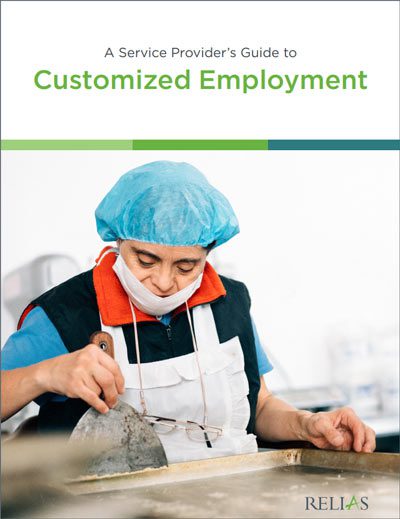
Free E-Book: A Service Provider’s Guide to Customized Employment
Customized employment can fill the gaps left by supported and sheltered employment. Learn how to develop new job opportunities for the people you serve.
Download the E-Book →
