






In today’s healthcare landscape, the Patient-Centered Medical Home (PCMH) model is revolutionizing patient care by focusing on comprehensive, coordinated, and accessible care that prioritizes the patient’s needs. This approach transforms primary care practices into hubs of patient-centric health management, fostering better health outcomes and enhanced patient satisfaction.
What is a patient-centered medical home (PCMH)?
A PCMH is a care delivery model where a patient’s primary care provider leads a team of healthcare professionals to provide comprehensive, coordinated, and accessible care. This model emphasizes long-term, collaborative relationships between patients and their care teams, ensuring that all of a patient’s health needs are met efficiently and effectively.
Evolution of the patient-centered medical home concept
The PCMH concept has evolved significantly since its inception. Initially introduced in the 1960s by the American Academy of Pediatrics, the model aimed to provide better-coordinated care for children with chronic conditions. Over the decades, the concept expanded to include all patient populations, driven by the growing need for more efficient, patient-centered care systems. Today, the PCMH model is recognized as a cornerstone of primary care reform, promoting better health outcomes and enhanced patient satisfaction.
Understanding the core principles of the PCMH model
Relias’ innovative real-time surveying and engagement platform can significantly enhance the five key functions and attributes of the PCMH model:
- Comprehensive care: Addressing a wide range of patient health needs with a diverse team of care providers.
- Patient-centered: Building strong, ongoing relationships with patients, respecting their individual preferences and needs.
- Coordinated care: Ensuring seamless integration across all elements of the healthcare system.
- Accessible services: Providing flexible and timely access to care.
- Quality and safety: Committing to continuous quality improvement and patient safety.
Benefits of implementing the PCMH model in healthcare settings
Implementing the PCMH model offers numerous benefits, including:
- Improved health outcomes: Comprehensive, coordinated care leads to better management of chronic conditions and preventive care, reducing hospitalizations and emergency visits. The PCMH model has been shown to help better manage patients’ chronic conditions, such as diabetes.
- Enhanced patient satisfaction: Patient-centered care fosters stronger relationships between patients and providers, leading to higher levels of trust and satisfaction.
- Cost savings: By reducing unnecessary hospitalizations and improving efficiency, the PCMH model can lower healthcare costs. One study found PCMH recognition was associated with $265 lower average annual total Medicare spend per beneficiary, lower hospital spending, and fewer emergency department visits.
- Better access to care: Extended hours, same-day appointments, and 24/7 electronic access ensure that patients receive the care they need when they need it.
Key components of a successful PCMH program
A successful PCMH program includes several key components:
- A strong care team: A good team will include physicians, advanced practice nurses, physician assistants, nurses, pharmacists, nutritionists, social workers, educators, and care coordinators.
- Patient engagement: Actively involving patients in their care, respecting their preferences, and providing education to help them manage their health.
- Care coordination: Ensuring seamless transitions between different care settings and clear communication among all team members.
- Health information technology: Utilizing electronic health records (EHRs) and other technology to streamline care processes and improve patient outcomes.
- Quality improvement: Continuously measuring performance and implementing strategies to enhance care quality and safety.
Assessing the impact of PCMH on patient outcomes
Studies have shown that the PCMH model positively impacts patient outcomes, including:
- Reduced hospitalizations: PCMHs help manage chronic conditions more effectively, leading to fewer hospital admissions.
- Improved preventive care: Comprehensive care teams ensure patients receive necessary preventive services, such as vaccinations and screenings. One study found PCMHs patients had 77.5 more primary care visits and 17.3 fewer ambulatory-care sensitive specialist visits per 1,000 patients per month.
- Enhanced patient experience: Patients report higher satisfaction due to the personalized, coordinated care they receive in a PCMH setting. A Hartford Foundation study found that the PCMH model resulted in a better experience for patients, with 83% of patients saying being treated in a PCMH improved health.
Best practices for implementing the PCMH model in primary care
Successfully implementing the PCMH model requires adopting best practices, such as:
- Engaging leadership: Strong leadership is crucial to driving the cultural and operational changes needed for PCMH transformation.
- Investing in technology: Robust health information technology infrastructure supports coordinated care and quality improvement efforts.
- Fostering team-based care: Building effective care teams with clearly defined roles and responsibilities.
- Focusing on patient engagement: Encouraging patients to actively participate in their care and providing them with the tools and resources to do so.
- Continuous quality improvement: Regularly assessing performance and implementing changes to improve care quality and outcomes.
Wrapping up
The patient-centered medical home model represents a significant shift towards more comprehensive, patient-centered, and coordinated care. By adopting this model, healthcare providers can improve patient outcomes, enhance satisfaction, and reduce costs.

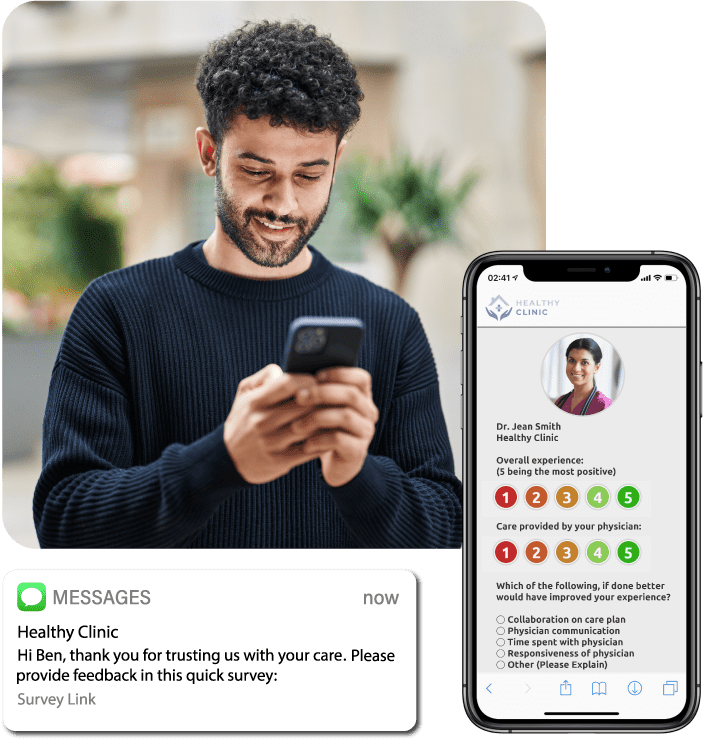
Improve patient experience and drive quality outcomes
Optimize care improvement through real-time data insights, patient feedback, and prescriptive interventions to identify and close gaps in care delivery and patient experience.
Learn more →
