





As healthcare continues to move toward value‑based care, discharge to community has become a critical quality and financial benchmark for skilled nursing facilities and post‑acute providers. These metrics go well beyond simply completing a discharge; they measure how successfully individuals transition back into the community and remain there.
CMS value‑based care programs increasingly track outcomes such as:
- Rehospitalization within 30 days of discharge
- Returns to skilled nursing facilities
- Avoidable hospital utilization following discharge
Performance in these areas directly influences reimbursement under value‑based payment models, as well as public quality ratings and referral relationships. Organizations that proactively prioritize effective discharge planning are better positioned to improve outcomes while protecting financial performance.
The good news is that successful discharge to community is both measurable and achievable with intentional processes in place.
Discharge planning begins on day one
Evidence consistently shows that strong discharge‑to‑community performance is driven by early, proactive planning. Effective discharge planning begins on admission day one rather than near the end of a skilled stay.
From the moment a resident is admitted, interdisciplinary teams should align around:
- Discharge goals and anticipated timelines
- Potential home or caregiver barriers
- Therapy, equipment, and service needs
Early identification of risk factors such as mobility challenges, caregiver availability, or home safety concerns allows teams to intervene proactively and reduce avoidable rehospitalizations.
How discharge to community is defined in value‑based care
Discharge to community refers to a successful transition from a skilled nursing facility to a community setting such as home or assisted living, with the individual remaining in the community without unplanned rehospitalization or return to institutional care during the post‑discharge period.
This outcome reflects sustained success after discharge, not just the discharge destination itself. As value‑based programs expand, discharge to community is increasingly weighted alongside rehospitalization and utilization measures, meaning poor discharge execution can negatively impact multiple quality metrics at once.
Proven practices that improve community discharge success
Facilities with strong discharge‑to‑community outcomes consistently implement several key strategies.
Therapy‑led home evaluations for high‑risk discharges allow care teams to identify environmental hazards, confirm equipment needs, and ensure the home setting can safely support the individual. Addressing these factors in advance significantly reduces fall risk and avoidable readmissions.
Caregiver preparation is another critical success factor. Incorporating family and caregiver training into therapy sessions ensures caregivers understand safe mobility techniques, transfers, equipment use, and daily care expectations before discharge occurs.
Weekly interdisciplinary discharge planning meetings, including therapy, nursing, and social work, promote alignment and accountability across the care team. These meetings support early problem‑solving, service coordination, and realistic discharge timelines.
Building trusted community partnerships
Successful discharge outcomes extend beyond the facility. Continuity of care and timely access to post‑discharge services are essential to sustained community living.
High‑performing organizations partner with community providers who demonstrate:
- Strong clinical competency
- Appropriate staffing levels
- Reliability and responsiveness
- Ability to initiate services promptly after discharge
Prompt post‑discharge services reduce gaps in care that commonly contribute to rehospitalization and failed community transitions.
Closing the equipment gap before discharge
Delays in durable medical equipment can undermine an otherwise well‑designed discharge plan. Best practice is to ensure required equipment is delivered to the facility prior to discharge so residents and caregivers can receive hands‑on training on proper use and safety.
This proactive approach reduces fall risk and supports confidence during the transition home.
Post‑discharge follow‑up as a critical success factor
Value‑based metrics reflect the reality that discharge success does not end on the day of transition. Post‑discharge check‑ins help confirm that services have begun, identify additional equipment or service needs, and assess how the individual is adjusting physically and emotionally.
These follow‑ups play a meaningful role in reducing avoidable hospital utilization and supporting sustained discharge‑to‑community success.
Conclusion
Value‑based care rewards organizations that prioritize safe transitions and sustained outcomes in the community. Facilities that begin discharge planning early, leverage interdisciplinary collaboration, prepare caregivers, coordinate equipment and services, and maintain post‑discharge engagement are best positioned to succeed.
Discharge to community is more than a metric. It is a measure of how effectively individuals are prepared for life beyond skilled care.
Editor’s note: This blog was originally posted on LinkedIn

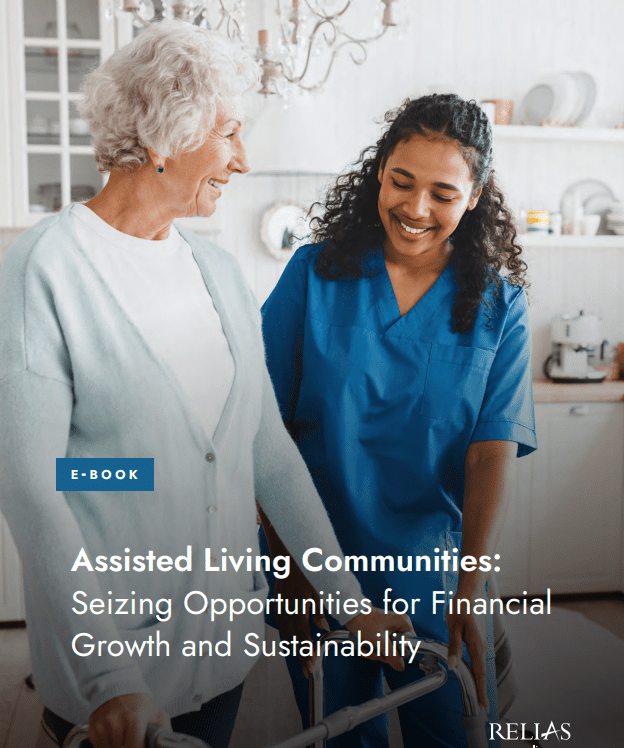
Assisted Living Communities: Seizing Opportunities for Financial Growth and Sustainability
In this e-book, you can expect to: • Understand the impact of the aging baby boomer generation on the demand for assisted living services and the implications for the industry. • Learn about the challenges and strategies related to staff turnover and retention in assisted living. • Recognize the importance of ongoing staff training and professional development in improving care quality, job satisfaction, and financial stability.
Download now →
