



Effective engagement programs improve employee experiences throughout the entire employment lifecycle-from onboarding and career development to leadership growth and long-term retention. When implemented strategically, these programs can strengthen culture, improve business performance, and create a more resilient workforce.
Employee engagement has evolved from a human resources initiative into a strategic business priority. Organizations today face increasing challenges related to retention, workforce productivity, employee well-being, skills development, and workplace culture. As competition for talent intensifies, organizations that fail to engage employees risk higher turnover, lower productivity, increased burnout, and diminished organizational performance.
The most successful organizations recognize that employee engagement is not driven by free lunches, company swag, or occasional team-building events. Sustainable engagement is created through intentional programs that help employees feel valued, supported, connected, and empowered to grow.
According to Gallup’s employee engagement research, organizations with highly engaged employees often experience stronger business outcomes, including higher productivity, lower turnover, and improved customer satisfaction. Workforce studies from SHRM and Deloitte Insights continue to identify engagement as a critical driver of organizational success.
Quick answer: What makes effective engagement programs?
Effective engagement programs are structured initiatives designed to improve employee satisfaction, workplace culture, motivation, retention, productivity, and organizational commitment. Successful programs typically combine recognition, career development, leadership support, communication, employee well-being, learning opportunities, flexibility, and meaningful growth experiences.
Organizations that invest in comprehensive engagement strategies often experience stronger retention rates, improved productivity, higher employee satisfaction, and greater organizational resilience.
Employee engagement vs. employee retention
Before we dive in, let’s quickly establish what we mean by employee engagement. According to Forbes:
“Employee engagement is the emotional commitment the employee has to the organization and its goals.”
This differs from employee retention in that retention refers to an organization’s ability to keep their staff. But the two are certainly related. The more engaged your staff members feel with the organization and its mission, the more likely they are to stay.
But employee engagement has more to offer.
Why is employee engagement important?
Effective engagement programs for employees play a pivotal role in the success of health and human services organizations. These programs allow organizations to innovate care solutions, provide better outcomes for their clients, and create a better culture.
All these benefits can help combat two of the largest staff well-being issues in the healthcare industry: burnout and retention. Studies have found a positive correlation between staff well-being and affective commitment, defined as an employee’s desire to stay at an organization due to an emotional attachment.
By creating engagement programs that make staff members proud or happy to work for your organization, you can reduce the likelihood of burnout and retain staff longer. But what do these programs look like, and how can you go about creating them?
7 effective engagement programs for human services employees
Clearly, employee engagement matters. As workers across every industry continue to deal with burnout, compassion fatigue, and more, it’s imperative that organizations find ways to help staff members know that their work matters. But this is often easier said than done.
In this section, we’ll review seven programs your organization can use to increase employee engagement. While it may take longer to implement and see the results of some of these programs than others, these are all crucial steps to improving morale, engagement, and retention.
Commit to Diversity, Equity, and Inclusion (DEI)
The core of DEI is to foster an environment in which staff members feel comfortable being themselves at work. This allows them to bring unique perspectives and personalities to their roles, which increases innovation and collaboration.
Without this welcoming environment, it can prove difficult, if not impossible, for staff to feel comfortable enough to contribute in a meaningful way. This can lead to disengagement, lower retention, and potentially poor client outcomes and financial losses.
For these reasons, DEI should be one of the first engagement programs that your organization establishes for employees. By creating a welcoming place where everyone can do their best work, you will not only see boost in engagement, but also retention and client outcomes.
To learn more about how to improve DEI at your organization, read our post, “Promoting DEI in Health care.”
Improve psychological safety
Psychological safety is when staff members feel comfortable being their true selves at work and collaborating with colleagues without fear of reprisal or ridicule.
Without a psychologically safe environment, staff members will never feel comfortable fully engaging in an organizational culture, seeking help from coworkers, or finding better ways to work with clients. This type of disengagement and discomfort can lead to burnout and decreased retention rates.
To increase the level of psychological safety at your organization, start by:
- Practicing inclusion
- Promoting growth and learning
- Making communication a priority
- Championing self-improvement
To delve deeper into how to create a psychologically safe workplace, read our blog post, “Promoting Psychological Safety Through DEI Principles.”
Encourage, recognize, and reward employees
No matter what industry you work in, recognition for hard work and results-driven efforts always feel good. But this isn’t anecdotal – the data backs it up. In Relias’ 2023 DSP Survey Report, 53% of respondents said they would be more likely to stay with their organization if shown better appreciation for their work.
Appreciation and recognition programs can take various forms. Begin by formulating an easy-to-execute plan based on your knowledge of your staff and what types of recognition resonates with them.
Next, provide anonymous surveys that allow employees to provide feedback on the efficacy of these programs. This will help to ensure that your engagement programs provide the type of recognition that validates and uplifts your staff.
Offer employees personal and professional growth opportunities
Your staff members want to learn, get better at their jobs, and further their careers. By giving them the resources to do so, you’ll increase their motivation and improve your organization’s retention rate.
A great example of this again comes in the Relias 2023 DSP Report. In this report, respondents were significantly more likely to stay at their current organization if provided with career advancement programs, including training.
By giving your staff the opportunity to grow their careers and providing them with the training they need to get there, you can create a more stable, engaged employee base. This will translate to greater retention, culture, and client services.
For a deep dive into leveraging the power of training, read our e-book, Choose the Right Learning Management Platform: The Ultimate Guide for Human Services Professionals.
Create tailored growth programs
Once you have established effective training and career laddering initiatives, consider taking these to the next level by tailoring them to specific individuals. To begin, talk with your staff members to find out where they want to take their careers. Then, work with your training or HR departments to tailor training plans to staff members’ career goals.
If your organization is too large to do this for every staff member, consider making custom training programs for specific career paths. Work with your training or HR departments to understand the qualifications for each position in your organization, then design training plans that anyone in the organization can follow to qualify for those positions.
By taking the time to create these types of engagement programs for employees, you’ll show your staff members that you care about their future and that you’re invested in their future within your organization.
Encourage employee feedback and open communication
Delivering effective feedback can be intimidating for some managers, especially if it’s corrective. However, denying corrective feedback when it’s necessary is setting employees up to fail. In addition, other staff members are often watching and waiting for leadership to address problems. When no action is taken, trust declines and hurts overall engagement. Corrective feedback will be better received if managers consistently offer positive feedback.
It’s also important to schedule feedback as close to the triggering event as possible. Waiting for behavior to improve or until a scheduled performance evaluation could cause more damage. If all these steps have been taken and an employee is still actively disengaged, a performance improvement plan can help a struggling worker get back on track.
A well-structured feedback plan has six steps:
- Document performance issues. Information should be factual and objective and describe specific behaviors with examples and dates.
- Develop an action plan. The supervisor identifies steps to address performance gaps. Goals must be specific, measurable, attainable, realistic, and time bound. Actions may be updated after discussing with the employee.
- Review the plan. The supervisor should review the plan with a manager or HR professional to ensure objectivity.
- Meet with the employee. The supervisor shares the plan in a private meeting. After discussing and confirming understanding, both parties sign the plan.
- Follow up. The supervisor and employee meet regularly as outlined in the plan to update on progress toward goals.
- Reach a conclusion. If the employee met the goals, then it is cause for praise and a maintenance plan. If the employee did not meet goals but showed effort, it may be necessary to revise the plan or take other steps.
Evaluate efficacy of these engagement programs for employees
To make sure engagement programs for employees are meeting their goals, you need to measure their efficacy. There are several ways to measure these types of programs, some of which you may already be doing.
- Analyze the data. Compare retention and turnover rates from before and after the program’s implementation. If your programs are working, you should see an increase in retention and decrease in turnover.
- Survey employees. Conduct anonymous employee surveys to gauge their satisfaction with the program(s). This is a great way to see if staff members enjoy the engagement programs and if they have any feedback on how to improve them.
- Track training. For training programs, you can track staff members’ scores over time to gauge improvement. If the training scores go down overtime, reevaluate the program.
- Evaluate client outcomes. Several of the employee engagement programs discussed here should have positive impacts on client outcomes. Tracking client outcomes could thus give you a window into how well these programs are working.
After you’ve been tracking this data for a while, make sure to take a step back, evaluate what the data is telling you, and see if any improvements can be made.
Which engagement programs deliver the fastest ROI?
| Program category | Time to impact | Cost | Long-term value |
| Recognition programs | Fast | Low | High |
| Mentorship programs | Medium | Low | High |
| Wellness programs | Medium | Moderate | Moderate |
| Leadership development | Slow | High | Very High |
| Internal mobility | Medium | Moderate | Very High |
| Learning programs | Medium | Moderate | High |
How effective engagement programs improve retention
Findings from the Work Institute Retention Report continue to show that career development, recognition, manager relationships, and workplace culture are among the strongest drivers of retention.
Effective engagement programs improve retention by:
- Increasing emotional commitment
- Creating growth opportunities
- Improving workplace relationships
- Supporting employee well-being
- Building trust in leadership
Leadership’s role in employee engagement
Research from SHRM consistently highlights manager effectiveness as one of the strongest predictors of employee engagement and retention.
Effective leaders:
- Communicate clearly
- Provide recognition
- Support development
- Build trust
- Encourage collaboration
- Foster accountability
Frequently Asked Questions about effective engagement programs
What are effective engagement programs?
Effective engagement programs are structured initiatives designed to improve employee satisfaction, retention, productivity, and workplace culture.
Which engagement programs have the highest ROI?
Recognition programs, mentorship programs, internal mobility initiatives, and leadership development programs often deliver the strongest returns.
How do engagement programs improve retention?
They strengthen commitment, create growth opportunities, improve workplace relationships, and enhance employee experience.
What role do managers play in engagement?
Managers significantly influence engagement through communication, coaching, recognition, and support.
How often should engagement programs be evaluated?
Most organizations should review engagement data quarterly and conduct broader annual evaluations.

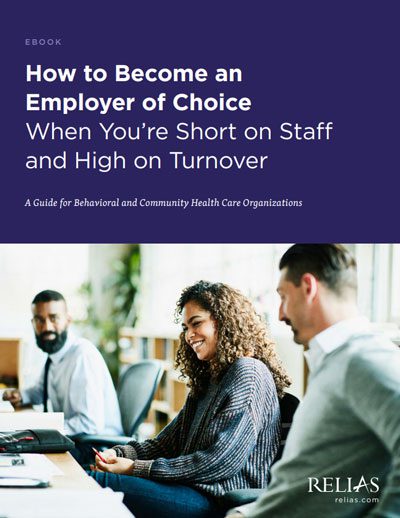
How To Become an Employer of Choice When You're Short on Staff and High on Turnover
Download this e-book to learn step-by-step how to update your hiring, interviewing, and onboarding strategies to improve staff retention. This guide will walk you through four actionable steps, complete with worksheets and practical tools, showing you how to:
Download the e-book →
