






Ensuring the safety and well-being of residents is vital in assisted living communities. One critical aspect of this responsibility is emergency preparedness. Whether it’s a natural disaster, a health crisis, or a man-made emergency, being prepared can make all the difference.
Understanding the importance of assisted living emergency preparedness
Emergencies can strike at any time, and the consequences can be severe, especially for vulnerable populations such as older adults. A recent study published in JAMA Network found that mortality after exposure to a hurricane was higher among older people living with dementia. A comprehensive emergency preparedness plan can reduce the impact of disasters and ensure the safety of your residents and your staff. The National Center for Assisted Living (NCAL) has developed an Emergency Preparedness Guide for Assisted Living Communities to help executive and administrative leadership develop emergency plans.
Understand the risks
The first step in assisted living emergency preparedness is understanding the specific risks associated with your geographic location and the unique vulnerabilities of your residents. Common disasters include:
- Natural disasters: Hurricanes, floods, earthquakes, and wildfires can significantly impact assisted living communities.
- Health crises: Epidemics, pandemics, and localized outbreaks necessitate comprehensive health and safety protocols.
- Fires and power outages: Communities must be prepared for fire emergencies and the possibility of losing power, which can severely affect resident care.
Conducting a risk assessment will help identify potential hazards, the likelihood of occurrence, and the possible impact on residents and operations. Resources like the Federal Emergency Management Agency (FEMA) and the Centers for Disease Control and Prevention (CDC) can provide valuable data and guidelines.
CMS Emergency Preparedness Rule
The Centers for Medicare & Medicaid Services (CMS) has established the Emergency Preparedness Rule, which requires all Medicare and Medicaid participating providers and suppliers to have an emergency preparedness plan. Key elements of emergency preparedness include:
- Risk assessment and emergency planning
- Communication plan
- Policies and procedures
- Training and testing
Develop a comprehensive assisted living emergency preparedness plan
Once you understand the risks, developing a comprehensive assisted living emergency preparedness plan is vital. Here are key components to include:
1. Emergency response team
Establish an emergency response team comprising staff from various departments. This team should include representatives from nursing, administration, and maintenance. Assign specific roles and responsibilities to ensure everyone knows their tasks during a crisis. Regular training and drills will ensure that team members are familiar with procedures.
2. Communication plan
Effective communication is critical during a disaster. Your plan should outline how information will be disseminated to staff, residents, and families. Use multiple channels — phone calls, text alerts, and social media — to ensure everyone is informed in real-time. Have a backup plan if primary communication methods fail, such as walkie-talkies or designated messengers.
3. Evacuation procedures
Develop clear evacuation procedures that consider the mobility and health needs of residents. Identify safe evacuation routes and ensure that all staff members are trained on these routes. Regular evacuation drills should familiarize residents and staff with the process.
4. Resource management
Inventory all resources, including medical supplies, food, water, and backup power systems. Establish relationships with local suppliers and emergency services to facilitate rapid response during a disaster. Create a stockpile of essential supplies that can sustain residents for an extended period, especially in the case of natural disasters.
5. Resident support
Consider the unique needs of residents when developing your plan. Many residents may have mobility challenges or chronic health conditions that require special accommodations. Include procedures for supporting residents with disabilities or cognitive impairments, ensuring everyone receives the necessary care and attention during emergencies.
Putting your assisted living emergency preparedness plan into action
“Emergency preparedness in healthcare goes beyond having a plan — it’s about creating a culture of readiness,” said Vince Baiera, BSN, Post Acute Care Partner at Relias. “When healthcare professionals are equipped with the right knowledge and resources, they can respond swiftly and effectively, ensuring patient safety and minimizing disruptions to care during a crisis.”
Below are some steps you can take to make your emergency preparedness plan effective.
Training and drills
Regular training is essential for ensuring staff members are prepared for various emergencies. Schedule routine drills for different scenarios — fires, evacuations, and lockdowns — to assess readiness and identify areas for improvement. Training should focus not only on procedures but also on emotional resilience, thus helping staff manage their own stress while supporting residents.
Continuous improvement
Emergency preparedness is an ongoing process. After each drill or actual event, conduct a thorough review to evaluate what worked well and what needs improvement. Solicit feedback from staff, residents, and families to refine your approach continuously.
Collaborate with local agencies
Establishing partnerships with local emergency management agencies, fire departments, and health departments can enhance your community’s preparedness. Participate in community drills and training programs to stay informed about best practices and available resources. These collaborations can also improve your community’s access to emergency services during a crisis.
Emergency preparedness is a critical responsibility for assisted living community leaders. By developing a comprehensive plan that includes risk assessment, communication strategies, training, resource management, and evacuation procedures, you can ensure the safety and well-being of your residents. By prioritizing emergency preparedness, you can create a resilient environment that is prepared for any crisis. Effective emergency preparedness protects lives and fosters trust and confidence among residents and their families.

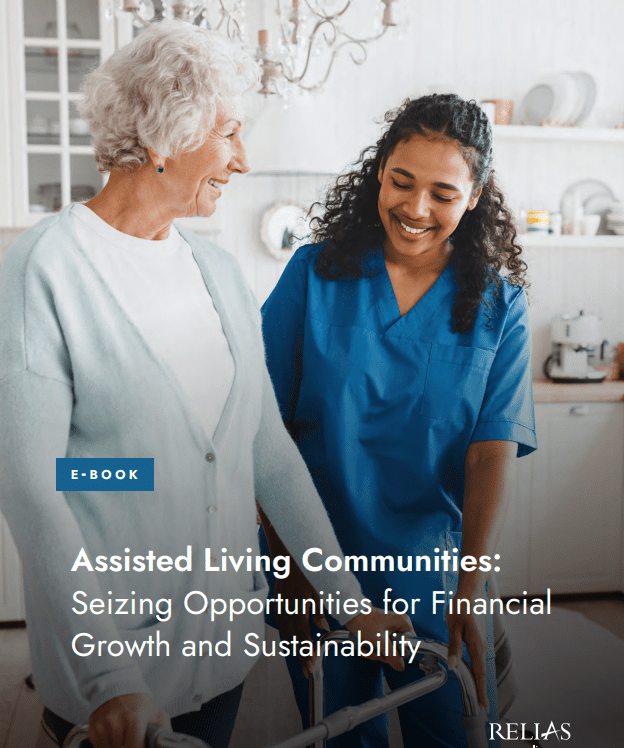
Assisted Living Communities: Seizing Opportunities for Financial Growth and Sustainability
Overcoming staffing shortages and investing in continuous staff development are crucial to meeting the needs of the growing senior population, improving care outcomes, and ensuring the financial sustainability of your assisted living community. This e-book provides valuable insights and strategies to help you seize this demographic shift's opportunities.
Download the e-book →
