




Reducing hospital readmissions is a critical area of healthcare improvement that can significantly impact both financial standing and patient outcomes. Patients’ unplanned returns to the hospital after discharge drive up costs, disrupt recovery, and reflect gaps in care.
Over a decade ago, the Center for Medicaid and Medicare Services (CMS)’ Hospital Readmissions Reduction Program (HRRP) focused on reducing 30-day readmissions for high-volume, high-cost conditions like heart failure, pneumonia, and total joint replacements. Under HRRP, hospitals received financial penalties if their readmission rates exceeded the national average — a move that drove greater attention to discharge protocols and transitional care.
However, HRRP was often criticized for being narrow in scope. Still, the program laid essential groundwork by showing that care coordination and patient education could move the needle on readmissions.
In 2026, CMS’ Transforming Episode Accountability Model (TEAM), a value-based payment model, will hold hospitals accountable not just for readmissions, but for total cost and quality during and after surgical episodes. To succeed under TEAM, hospitals must adopt proactive strategies.
CMS’ TEAM initiative: Expanding accountability to full surgical episodes
CMS’ TEAM initiative builds on HRRP’s framework but introduces a broader, episode-based approach. Instead of isolating readmissions, TEAM bundles payments around specific surgical episodes — such as ostomy creation, joint replacement, and cardiovascular procedures — and holds hospitals accountable for both quality and cost during hospitalization and the 30 days that follow.
TEAM encourages the shift from fee-for-service to value-based care, rewarding providers who reduce complications, coordinate care effectively, and support patients after discharge. Preventing readmissions is no longer a standalone metric — it’s part of a holistic view of surgical recovery.
Why wound care matters in preventing surgical readmissions
Surgical wounds — especially those involving ostomies, abdominal incisions, or pressure-prone areas — are a significant source of post-discharge complications. Common issues like infection, delayed healing, and skin breakdown are often the cause of unplanned hospital returns. These complications not only impact recovery but can also trigger costly readmissions.
Effective wound care during and after hospitalization keeps patients safe and ensures quality outcomes. Hospitals must ensure that patients receive timely wound assessments, appropriate dressings, and access to specialists like wound and ostomy care nurses. The right interventions, delivered early, can dramatically reduce complication rates and greatly benefit providers under CMS’ TEAM initiative.
Strategies to improve wound care and reduce readmissions
To better align wound care practices with TEAM expectations, hospitals should consider the following targeted strategies:
Integrate wound care tracking into EHRs
Use validated tools like the Pressure Ulcer Scale for Healing (PUSH Tool) to assess wound healing progress. Embedding structured wound documentation fields into the EHR helps ensure clinicians track severity, size, drainage, and tissue type consistently, enabling trend identification and timely intervention.
Use remote wound monitoring platforms
Secure wound monitoring platforms can allow patients to upload wound photos or complete symptom checklists from home. These tools allow wound care specialists to catch early signs of infection, deterioration, or noncompliance before a readmission becomes necessary.
Standardize wound care protocols
Create and implement evidence-based wound care guidelines that are consistent across inpatient units, discharge instructions, and post-acute care settings. This ensures continuity of care and reduces variation that can lead to complications.
Provide early access to wound care specialists
Schedule follow-up consultations with wound, ostomy, and continence (WOC) nurses within 48–72 hours of discharge. Early specialist intervention can help troubleshoot dressing issues, reinforce education, and adjust care plans as needed.
Address social determinants of health
Identify and address social determinants of health that interfere with care adherence, such as lack of transportation, housing instability, or difficulty accessing supplies. Embedding social risk screening into discharge planning helps proactively mitigate these risks.
Invest in clinical education
Ensure your clinical team has access to ongoing wound care education and certification opportunities. Programs like the Skin and Wound Management course through WCEI prepares nurses and clinicians for their Wound Care Certified (WCC®) credential and empowers them to confidently assess, manage, and document wound healing, ultimately reducing errors and complications.
For clinicians and care teams seeking to strengthen wound care knowledge, Relias offers wound care education designed to equip staff with the expertise to prevent complications, accelerate healing, and improve patient outcomes. These programs also help organizations meet value-based care goals and reduce surgical readmissions for TEAM.
Broader strategies to prevent surgical readmissions under TEAM
In addition to strengthening their wound care programs, hospitals can reduce overall readmissions by focusing on the following research-based tactics to reduce readmissions during surgical episodes:
- Standardize discharge planning using risk assessments, teach-back education, and timely post-discharge appointments.
- Enhance transitional care with nurse case managers and coordinated handoffs.
- Use remote monitoring tools that track symptoms and wound healing from home.
- Collaborate with post-acute partners to ensure continuity of care with SNFs and home health.
- Empower patients with education to support self-management and recovery.
- Use data to identify and prevent readmissions, including tracking complications and trends, monitoring patient-reported outcomes (PROMs), using predictive analytics and clinical alerts, and conducting monthly reviews for continuous quality improvement.
Why it matters: Aligning with TEAM and delivering value-based surgical care
As CMS’ TEAM initiative rolls out, the pressure on hospitals to deliver coordinated, cost-effective care will intensify. Reducing surgical readmissions isn’t just about avoiding penalties — it’s about improving lives, enhancing patient satisfaction, and aligning with the broader shift to value-based care.
For hospitals already working to comply with HRRP, TEAM presents an opportunity to use those lessons to build stronger post-surgical care pathways, adopt more comprehensive wound care strategies, and ensure better patient recovery.
With the right education, tools, and support, organizations can elevate surgical outcomes while delivering measurable, data-driven improvements under TEAM.

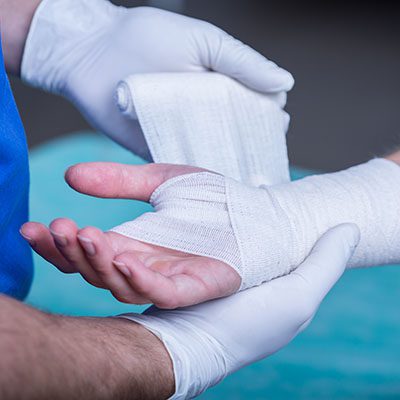
Better Wound Care, Stronger Organizations: Enhancing Care Quality and Financial Sustainability
Organizations within acute care, behavioral and community health services, public safety, and post-acute care can all benefit from better wound care training. Whether you are just getting started or aiming to enhance the care you already offer, you will need a comprehensive approach to ensure success. Download our e-book to help you guide your organization to better wound care and its positive financial impacts.
Download now →
