






Older adults are at risk for a variety of health problems, ranging from physical health deterioration to cognitive decline. While the risk factors for these conditions differ, nearly all older adults are at risk for pressure injuries. These wounds occur when prolonged pressure on a specific area of the body compromises blood flow, leading to tissue damage. Repeated pressure exposure on the same area results in the breakdown of skin integrity, increasing the risk of infection. Caregivers can take action to prevent pressure injuries and avoid negative outcomes.
The Centers for Medicare and Medicaid Services (CMS) requires healthcare facilities participating in the Medicare program to track and report data on pressure injuries. These quality measures assess the development of pressure injuries in settings like hospitals, nursing homes, inpatient rehabilitation facilities, and home health. CMS imposes financial penalties on facilities when pressure injuries develop under their care.
The Agency for Healthcare Research and Quality’s (AHRQ) patient safety tool, Preventing Pressure Ulcers in Hospitals, offers additional resources and guidance. With knowledge and training, caregivers can reduce pressure injuries in older adults and at-risk individuals of any age. To effectively present pressure injuries, implement these seven strategies:
1. Encourage movement and repositioning
Exercise, ambulation, and range of motion exercises promote circulation, which helps prevent pressure injuries. Prevention goes beyond simply moving people from a bed to a wheelchair. Prolonged sitting or lying in one position can cause pressure injuries on the tailbone, hip, shoulders, or heels. Caregivers should encourage older adults to change positions regularly and use different types of seating and reclining options. Reposition individuals who are unable to move themselves at least every two hours while lying down and at least every hour. For individuals using wheelchairs, assist them to alternate positions to alleviate pressure points.
2. Conduct regular skin inspections
Inspect the skin daily for early signs of pressure injury development, such as redness, warmth, or discoloration. Early identification of a Stage I pressure injury can prevent progression to more severe stages. For example, redness and tenderness after prolonged sitting might indicate the start of a pressure injury. Individuals with limited mobility often rely on caregivers to perform these checks during hygiene, dressing changes, or routine assessments. Use validated tools, such as the Braden Scale, to assess risk and document findings to ensure timely intervention.
3. Use pressure-relieving equipment
Specialty beds and materials, such as water or air mattresses, heel protectors, and foam cushions help reduce pressure injuries. These tools redistribute pressure and relieve strain on vulnerable areas of the body. For example, soft wedges can keep individuals in a side-lying position, and heel protectors can reduce strain on the heels. Avoid relying solely on equipment with automated turning functions, as manual repositing remains essential. clients remain on their sides while lying in bed between repositioning times.

4. Keep skin clean and dry
Incontinence significantly increases the risk of pressure injuries. Prolonged exposure to urine or stool can lead to skin excoriation and rapid breakdown. To protect the skin, caregivers must prioritize frequent perineal care using pH-balanced cleansers and moisture-wicking products. If redness develops, assume a Stage I pressure injury has occurred and take immediate action. Apply a barrier cream to shield the area and continue repositioning to prevent the area from worsening.
5. Promote a healthy diet
The circulatory system’s effectiveness depends on the nutrients it delivers. A well-balanced rich in protein, vitamins (such as Vitamin C and Zinc), and adequate hydration supports skin health and healing. For individuals with metabolic conditions, such as diabetes, proper nutrition is critical to wound prevention and healing. Encourage older adults to maintain a healthy diet tailored to their specific health needs.
6. Manage chronic health conditions effectively
Chronic conditions, such as diabetes, heart failure, and kidney disease, impact circulation and increase the risk of pressure injuries. Effective management includes monitoring fluid intake for those with heart failure, maintaining dietary restrictions for people with kidney disease, and ensuring medications do not result in poor circulatory function. Conditions like peripheral artery disease and chronic obstructive pulmonary disease (COPD) also require careful monitoring.
7. Foster caregiver accountability
Caregivers play major roles in preventing pressure injuries. Establish incentive-based programs to reward or recognize caregivers for diligent repositioning, thorough skin checks, and adherence to prevention protocols. Foster a culture of accountability through ongoing education, teamwork, and recognition of success in pressure injury prevention.
Preparing for a certification exam?

Wound care courses for clinicians
Part of the Relias family of brands, the Wound Care Education Institute offers evidence-based Skin & Wound Management courses to help you prepare for ABWM or NAWCO certification exams.
Take action today
Healthcare leaders have many opportunities to reduce pressure injuries among older adults. Collaborate with caregivers to identify innovative strategies for prevention, leveraging input from your team to create effective solutions. These seven steps can be implemented to prevent pressure injuries and promote better outcomes, whether people are receiving care in the hospital, long-term care facilities, or at home. Stay informed about the latest evidence-based practices to improve care and protect skin integrity.

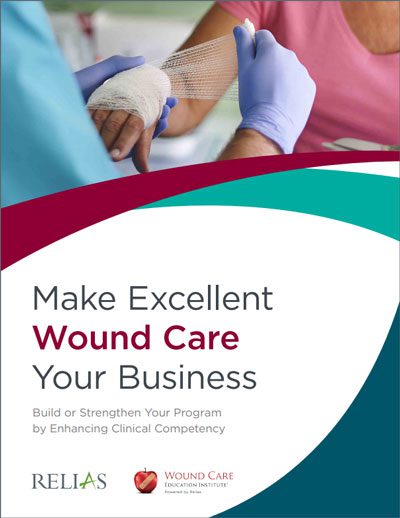
Strengthen Your Wound Care Program, Enhance Clinical Competency
If you’re interested in building up your wound care program — whether just getting started or aiming to enhance the care you already offer — you’ll need a comprehensive approach to ensure success.
Download E-book →
